Sustainability
Materiality Topics
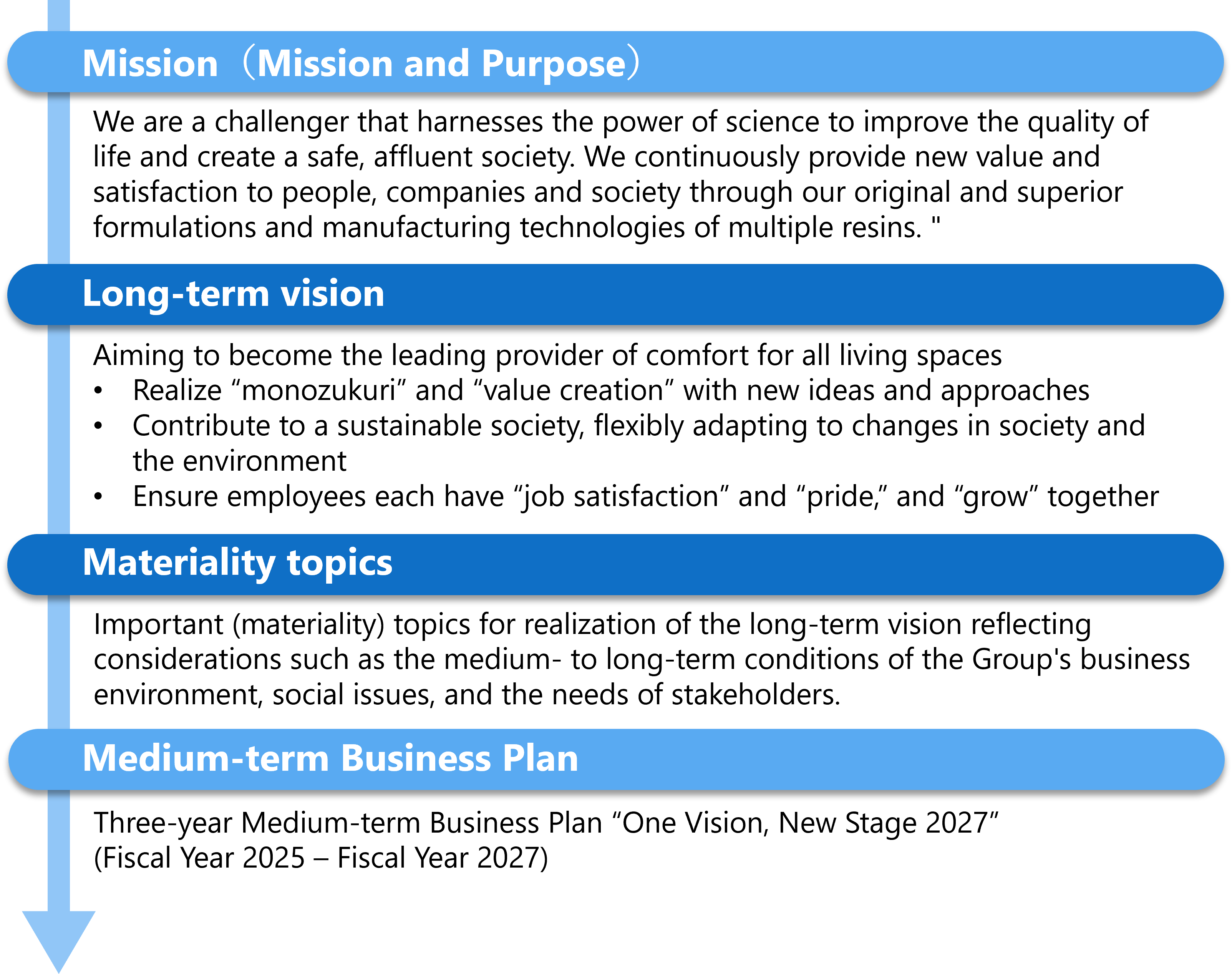
We identify important topics as materiality toward realization of the long-term vision, reflecting considerations such as the medium- to long-term conditions of the Group’s business environment, social issues, and the needs of stakeholders.
Amidst a drastically changing business environment the Group has been working to achieve its long-term vision, “aiming to become the leading provider of comfort for all living spaces” since 2016, and has formulated a medium-term business plan and strategy, and is implementing a variety of measures.
The long-term vision incorporates the concept of delivering optimal solutions (comfort) through our businesses to “all living spaces,” including those areas of society we will become involved with in the future, in addition to existing business areas and stakeholders.
The RIKEN TECHNOS GROUP recognizes that responding to issues surrounding sustainability is important. By incorporating these issues into our management, we seek to help realize a sustainable society and enhance our enterprise value.
Process of Identification of Materiality Topics
Materiality topics were identified through companywide discussion of topics that should be addressed, based on analysis and review of changes to the Group's business environment, social issues, and stakeholder needs. The Sustainability Committee manages the progress on materiality topics identified.
Step 1: Reviewing environmental changes, social issues, and stakeholder needs
The Sustainability Committee secretariat, which comprises members selected from the respective divisions, plays a central role in identifying relevant key topics with reference to various guidelines, key performance indicators (KPIs), and other information regarding the Sustainable Development Goals (SDGs) and the environment, society, and governance (ESG) to review changes to the RIKEN TECHNOS Groupʼs medium- to long-term business environment, social issues, and needs of stakeholders and others.
Step 2: Candidate selection
Candidate materiality topics for the Group to address were selected based on the key topics identified.
Step 3: Candidate evaluation
The candidate materiality topics selected were assessed for materiality along the two axes of importance to the Group and importance to stakeholders.
Step 4: Deliberation at the various levels
Roundtable discussions are held for identification of materiality topics by management, including outside directors. Participants discuss the individual candidate materiality topics and their importance. In addition to general managers, similar discussions are held at each level for each positions.
Step 5: Preparation of materiality matrix
Based on the details of the discussions above, the Sustainability Committee revises and makes additions to candidate materiality topics and prepares a materiality matrix.
Step 6: Approval of materiality topics by management
The content of the materiality matrix is resolved by the Board of Directors.
Materiality Matrix and KPIs
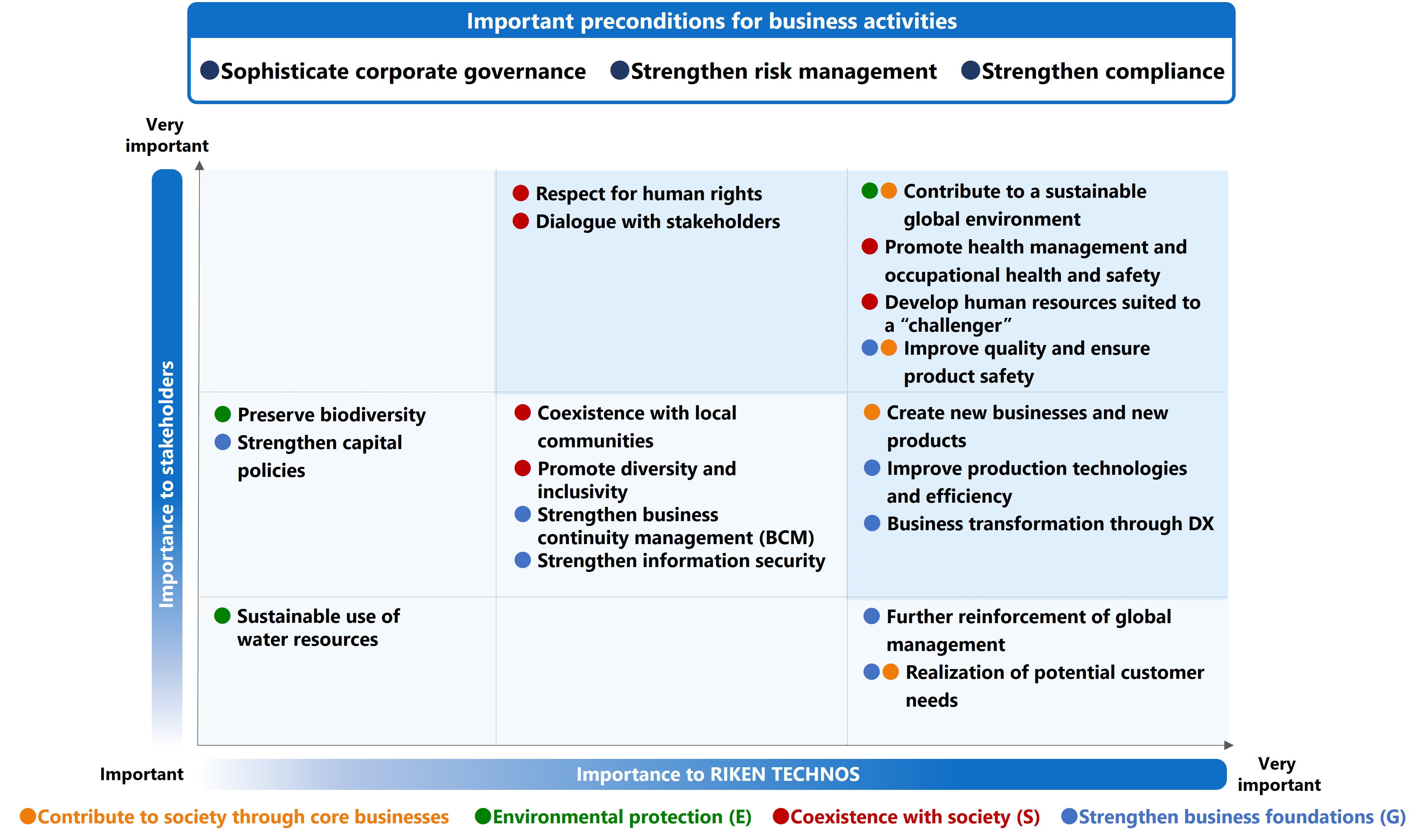
We carried out evaluations in terms of importance to the RIKEN TECHNOS GROUP and importance to stakeholders and prepared a materiality matrix. We also established indicators and targets (KPIs) for 12 of the selected materiality topics that the Group considers are of particular importance.
We are working to achieve our targets, and by managing our progress, we repeat the plan-do-check-act (PDCA) cycle and strive to realize the long-term vision.
Materiality Matrix
| Materiality Topics | Standards for Evaluation (KPIs) | Results | Medium- to Long-term Targets | |
|---|---|---|---|---|
| FY2025 | FY2027 | FY2030 | ||
| Contribution to a sustainable global environment | Achievement of CO2 emissions reduction targets for 2030 (non-consolidated) | 37,563 tons | 29,792 tons | 24,139 tons (46.2% decrease compared to FY2019) |
| Achievement of carbon neutrality by 2050 (Group) | - | - | - | |
| Ratio of total waste to total production (non-consolidated) | 3.4% or less | 3.2% or less | 3.0% or less | |
| Promotion of KENKO Investment for Health and occupational health and safety | Occupational injuries requiring time off work (domestic) | 6 | 0 | 0 |
| Achievement of recognition under KENKO Investment for Health program | Declared the Basic Health Management Policy and obtained approval for the internal promotion system | Achievement of recognition | Maintenance of recognition | |
| Development of human resources suited to a “challenger” | Training costs per employee (non-consolidated) | 141,000 yen | 160,000 yen | 200,000 yen |
| Percentage of positive responses to applicable questions in employee awareness survey (non-consolidated) | 64% | 70% | 75% | |
| Improvement of quality and ensuring of product safety | Serious quality incidents requiring recalls (non-consolidated) | 0 | 0 | 0 |
| Serious violations of legal and regulatory compliance regarding use of chemical substances (non-consolidated) | 0 | 0 | 0 | |
| Creation of new businesses and new products | Number of patent applications (non-consolidated) | 22 | (FY2025–2027) 75 (cumulative) |
(FY2022–2030) 210 (cumulative) |
| Ratio of new product sales (non-consolidated and overseas manufacturing subsidiaries) | 15% | 23% | 25% | |
| Improvement of production technologies and efficiency | Production capacity (non-consolidated) | (vs. FY2021) +9% |
(vs. FY2021) +11% |
(vs. FY2021) +15% |
| Business transformation through DX | Development of MI human resources*1 (non-consolidated) | 11 persons | 15 persons | 20 persons |
| Participation in DX training (non-consolidated) | 100% | 100% | 100% | |
| Improvement of employee engagement | Engagement score (ratio of positive responses) (non-consolidated) | 60% | 60% | 70% |
| Promotion of diversity, equity and inclusion (DE&I) | Ratio of global human resources*2 in management positions (Group) | 21% | 24% | 26% |
| Ratio of women in management positions (Group) | 19% | 20% | 22% | |
| Respect for human rights | Penetration of respect for human rights (non-consolidated) | Conducted an internal survey (Positive response rate: 47.6%) |
(vs. FY2025) Improvement |
(vs. FY2027) Improvement |
| Improvement rate of human rights due diligence for suppliers(non-consolidated) | 100% | 100% | 100% | |
| Dialogue with stakeholders | Meetings with investors and existing shareholders (non-consolidated) | 174 | 190 | 220 |
| Assessment response rate*3 regarding customer satisfaction survey results (non-consolidated) | 100% | 100% | 100% | |
| Stable supply of products | Understanding of core product supply risks and determination/implementation of policies (non-consolidated) | Identified supply risks for core products and formulated policies | Understanding of core product supply risks and determination/ implementation of policies |
Strengthening of risk controls for core products |
*1Human resources that can provide guidance on materials informatics (MI)
*2Human resources with at least one year of experience working outside country of birth
*3Ratio of customers for which improvements have been completed, out of the customers for which response is assessed to be necessary
| Materiality Topics | Relevant SDGs |
|---|---|
| Contribution to a sustainable global environment |
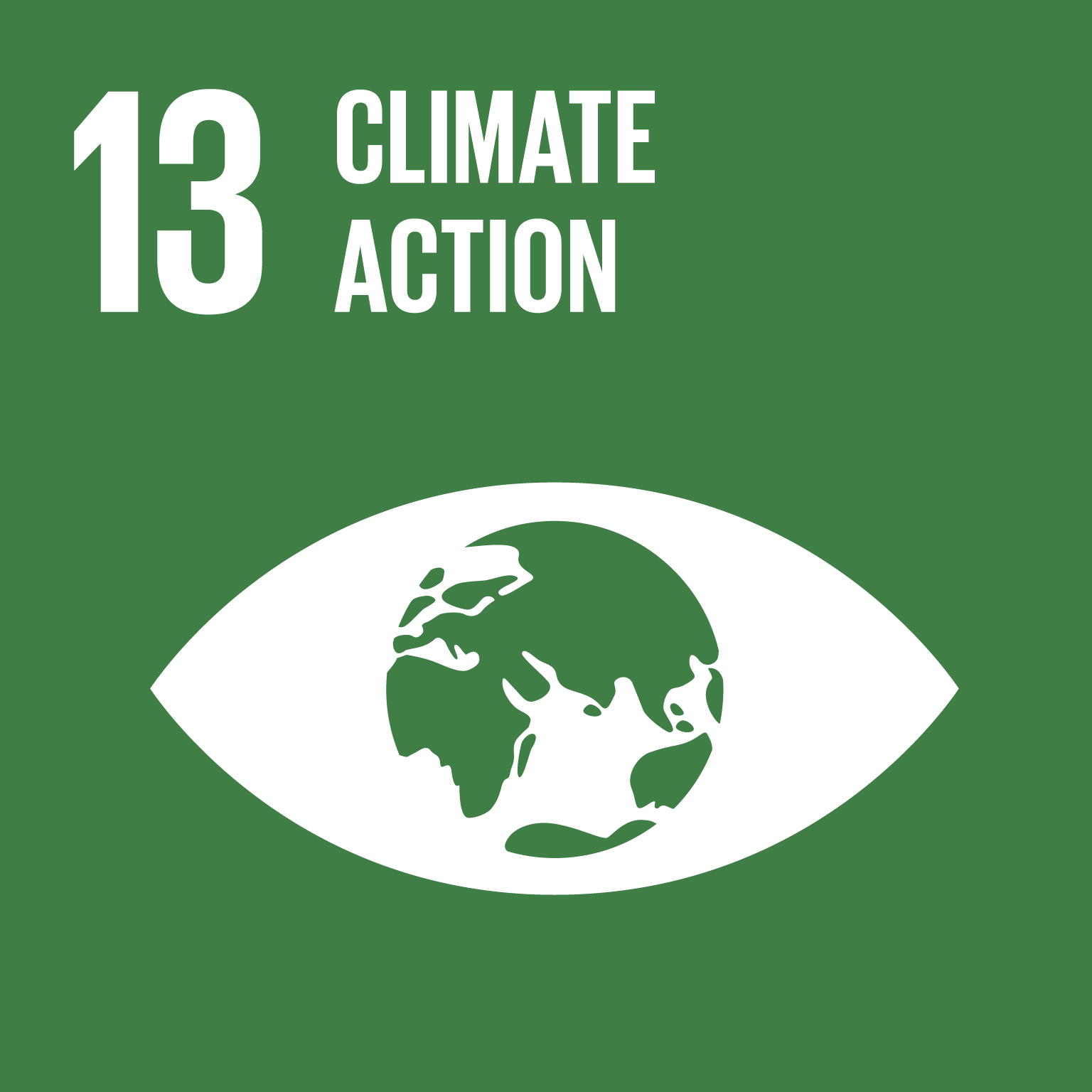
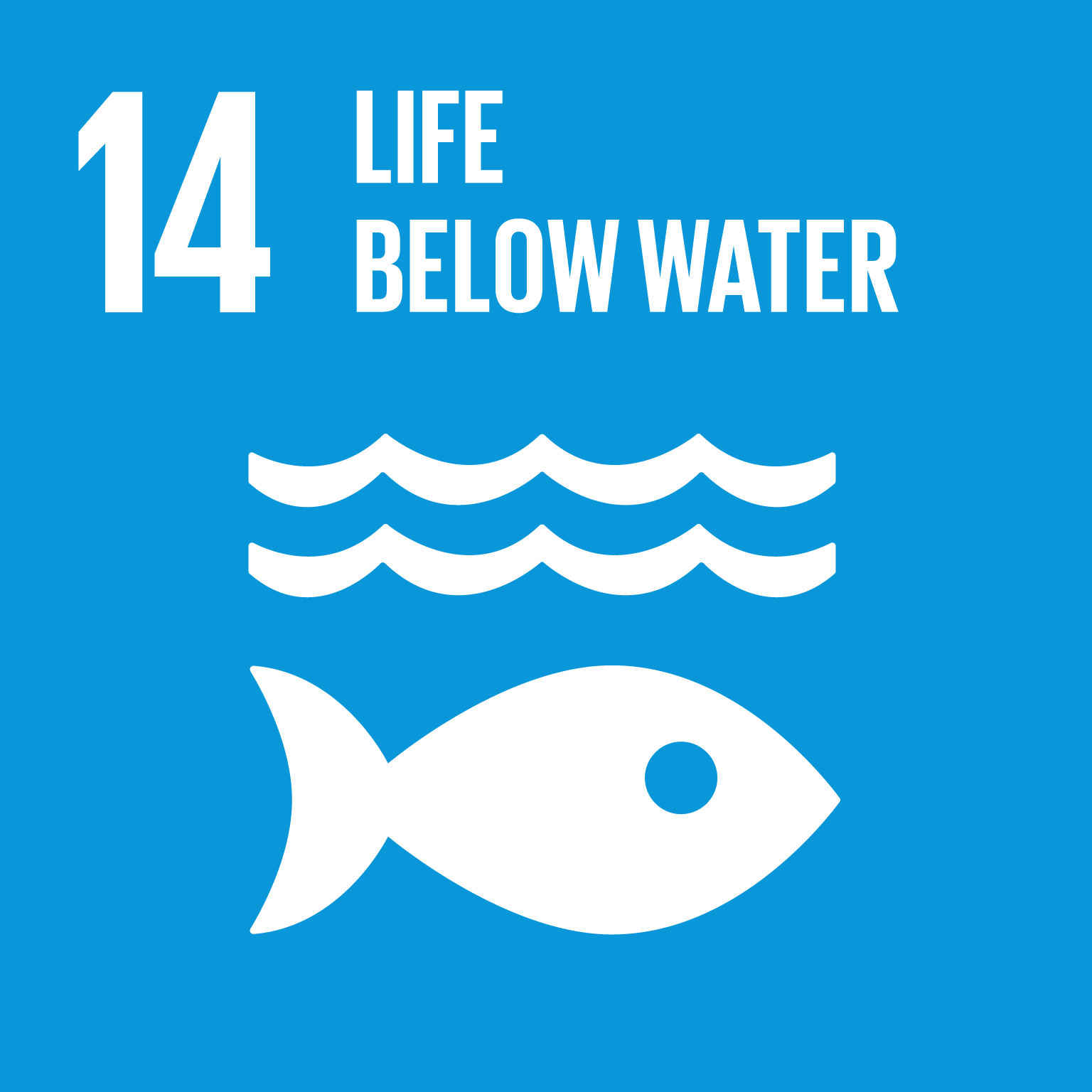
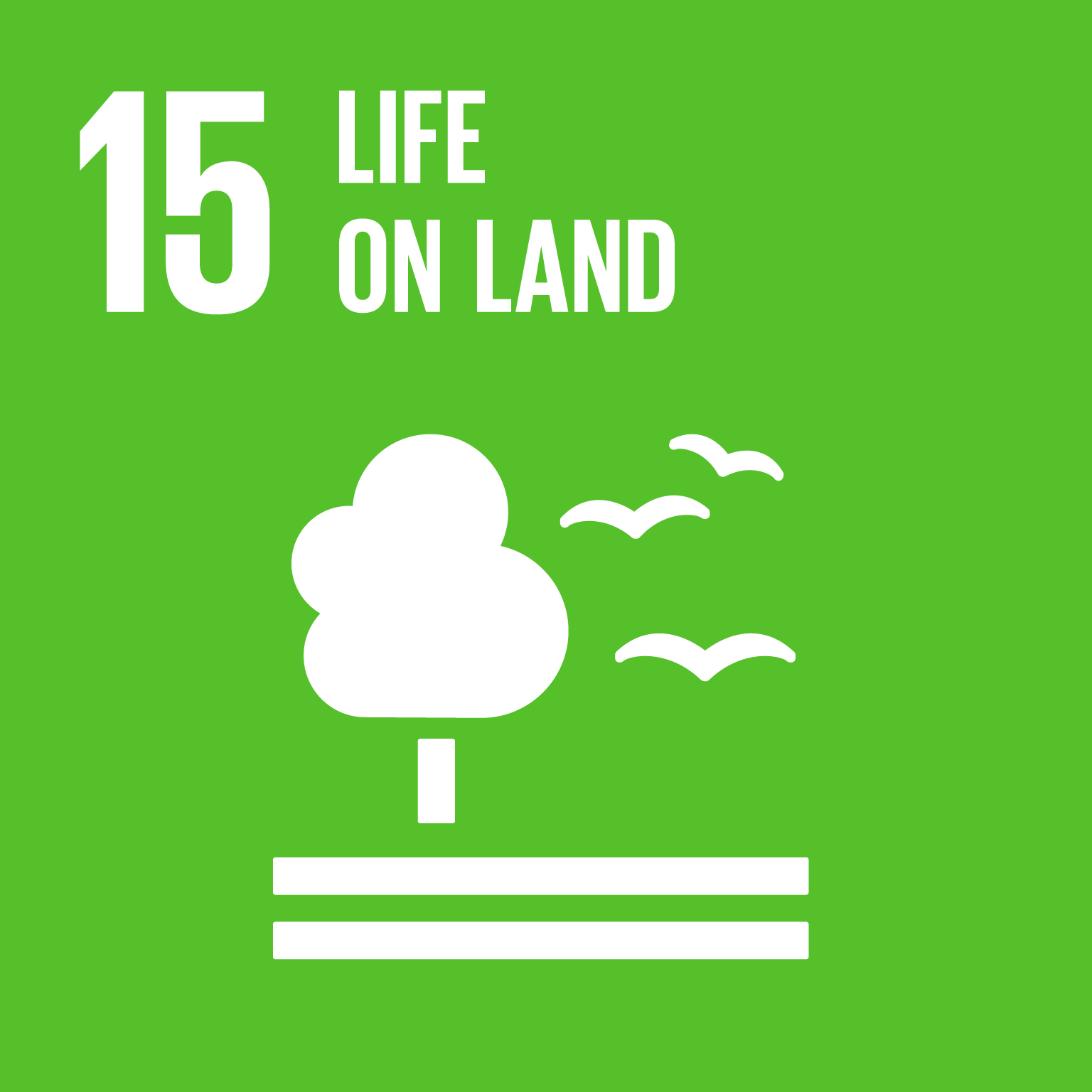
|
| Promotion of KENKO Investment for Health and occupational health and safety |
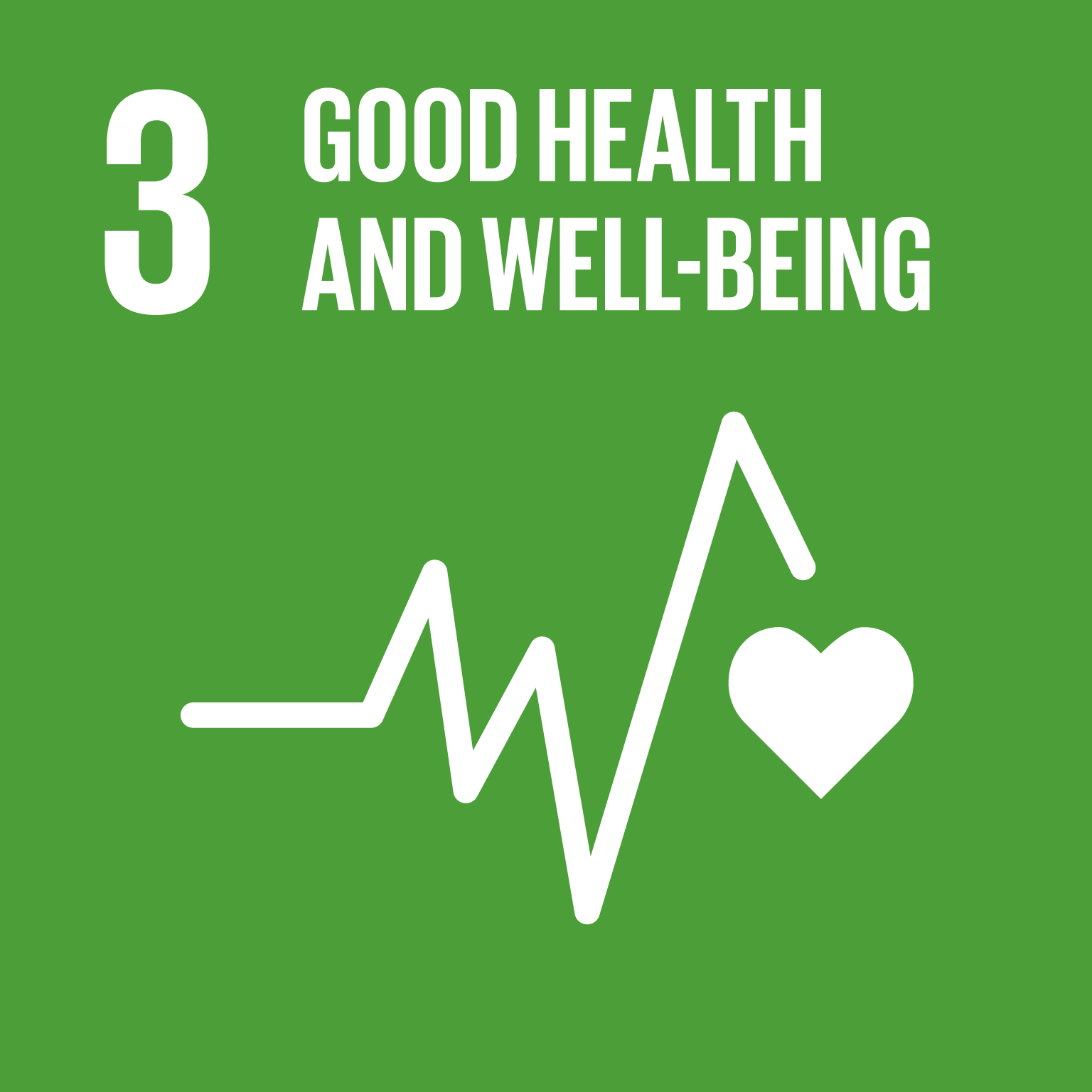
|
| Development of human resources suited to a “challenger” |
|
| Improvement of quality and ensuring of product safety |
|
| Creation of new businesses and new products |
|
| Improvement of production technologies and efficiency |
|
| Business transformation through DX |
|
| Improvement of employee engagement |
|
| Promotion of diversity, equity and inclusion (DE&I) |
|
| Respect for human rights |
|
| Dialogue with stakeholders |
|
| Stable supply of products |
|